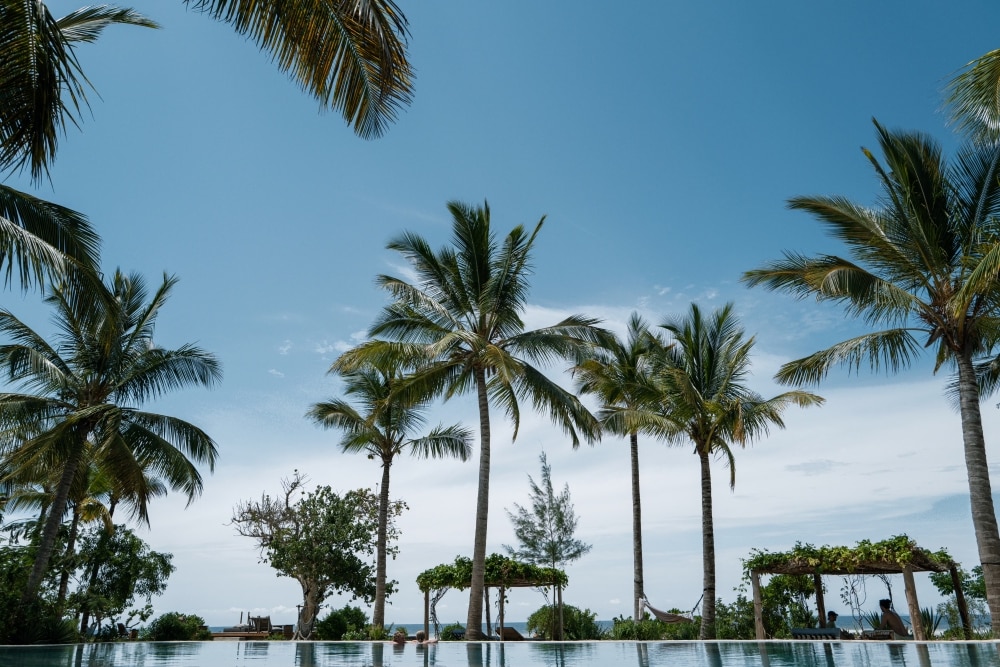
Boyolali Travel Guide
Tourist Guide
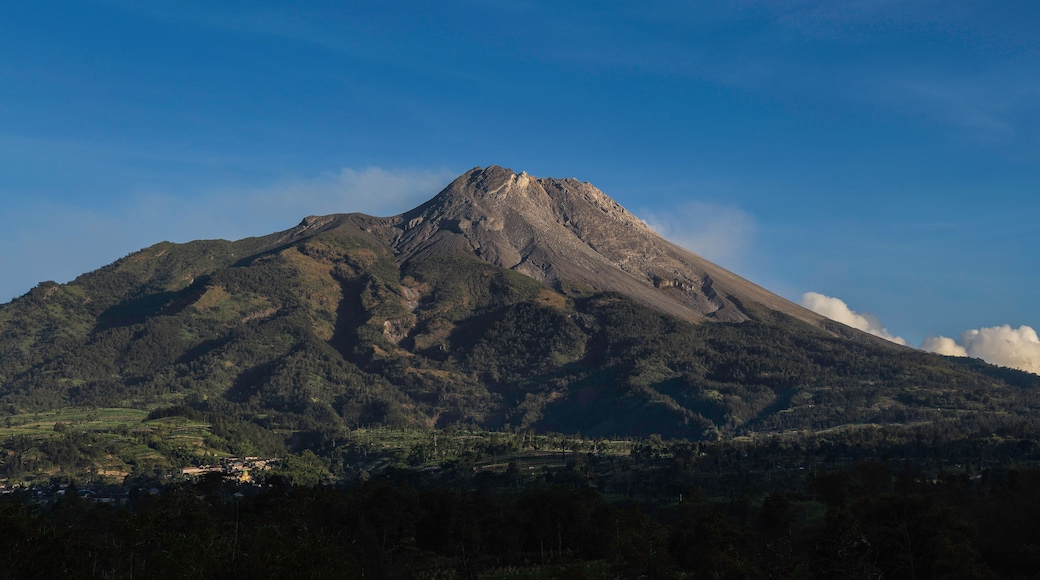
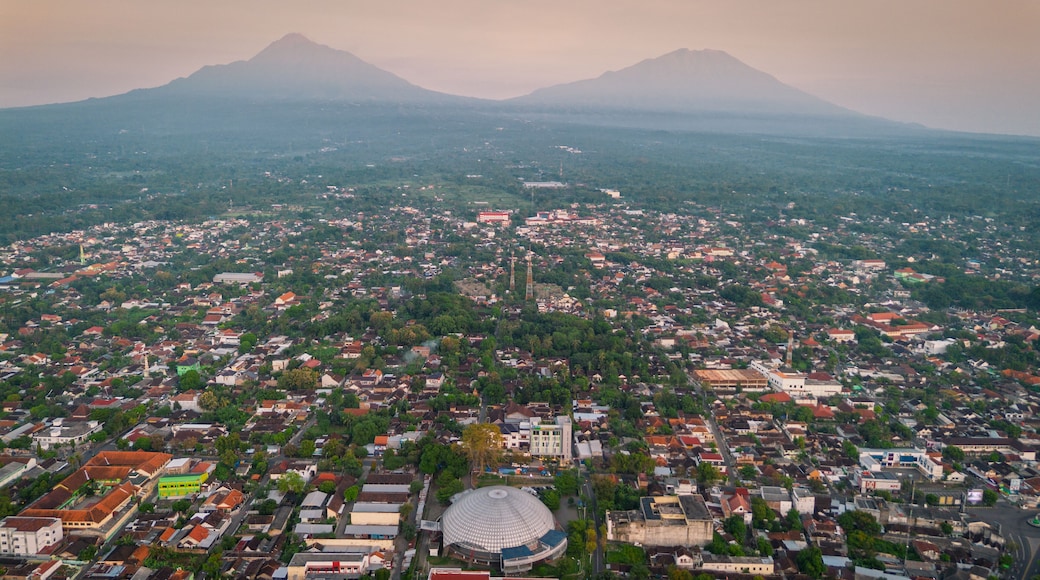
Visit Boyolali

Alila Solo, Java
Jl. Slamet Riyadi No. 562 Surakarta Central Java
The price is ₹6,067 per night from 29 Oct to 30 Oct
₹6,067
₹7,342 total
29 Oct - 30 Oct
includes taxes & fees
Stay at this luxury hotel in Surakarta. Enjoy free Wi-Fi, free parking and a full-service spa. Popular attractions Solo Square and UMS are located nearby.
9.2/10 Wonderful! (156 reviews)
"Hotel was very clean and staff very helpful. Beautiful view from the room and the pool was amazing. A lot of food options at breakfast. Definitely recommend and will stay here again."
Reviewed on 22 Sept 2026

Novotel Solo
Jalan Slamet Riyadi 272 Surakarta Central Java
The price is ₹2,587 per night from 25 Oct to 26 Oct
₹2,587
₹3,130 total
25 Oct - 26 Oct
includes taxes & fees
Stay at this spa hotel in Surakarta. Enjoy free Wi-Fi, free parking and 2 outdoor pools. Popular attractions Danar Hadi and Radya Pustaka Museum are located ...
The Royal Surakarta Heritage - Handwritten Collection
Jalan Slamet Riyadi No. 06 Surakarta Central Java
The price is ₹2,402 per night from 23 Oct to 24 Oct
₹2,402
₹2,906 total
23 Oct - 24 Oct
includes taxes & fees
Stay at this luxury hotel in Surakarta. Enjoy free Wi-Fi, free parking and a full-service spa. Popular attractions Mesjid Agung and Gede Market are located ...
Lowest nightly price found within the past 24 hours based on a 1 night stay for 2 adults. Prices and availability subject to change. Additional terms may apply.
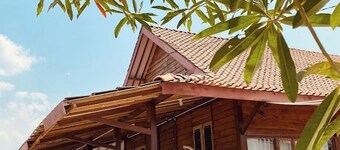
Annet Homestay
Jl. Supadi, Plalangan, Pandowoharjo Sleman Daerah Istimewa Yogyakarta
Stay at this villa in Sleman. Enjoy free Wi-Fi, free parking and room service. Popular attractions Obelix Village - Mini Zoo Jogja and Ibarbo Park are located ...

Tropical House and Mini Golf Yogyakarta
Jl. Ponpes Sunan Ampel Depok Jogja
Stay at this golf villa in Depok. Enjoy free Wi-Fi, free parking and a golf course. Popular attractions Malioboro Street and Sambisari Temple are located ...

Hotel D'Madinah Inn - Gentan
57556 Cantika Pastika Mangesti Baki Jawa Tengah
Stay at this aparthotel in Baki. Enjoy free Wi-Fi and free parking. Popular attractions Solo Square and UMS are located nearby.
Lowest nightly price found within the past 24 hours based on a 1 night stay for 2 adults. Prices and availability subject to change. Additional terms may apply.


Explore a world of travel with Expedia
- Hotels with Swimming Pool in Baki
- Baki Hotels
- Hostels in Boyolali
- Beach Resorts & in Klaten
- Romantic Hotels in Laweyan
- Salam Hotels
- Family-Friendly Hotels in Salatiga
- Hotels with a Bar in Salatiga
- Luxury Hotels in Salatiga
- Adults Only Resorts & in Solo City Centre
- Hotels with Connecting Rooms in Solo City Centre
- Luxury Hotels in Solo City Centre
- Scuba Diving Hotels in Solo City Centre
- Solo City Centre Hotels
- Holiday Parks in Surakarta
- Hostels in Surakarta
- Luxury Hotels in Surakarta
- Spa Hotels in Surakarta
- Surakarta Hotels
- Palaces in Surakarta
- Safari Tentalow in Surakarta
- Hotels near The Heritage Palace