
Photo by Sharrie Shaw

Search Hotels with Connecting Rooms in Solo City Centre
 Change your mindBook hotels with free cancellation
 Be pickySearch almost a million properties worldwide
Check availability on Solo City Centre Hotels with Connecting Rooms
Tonight
Tomorrow
This weekend
Next weekend
Our top choices for Solo City Centre hotels with connecting rooms

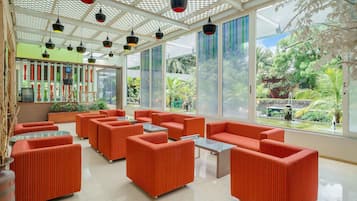
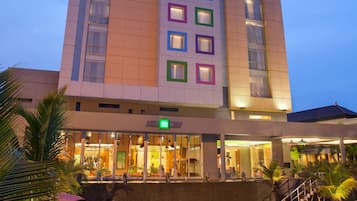
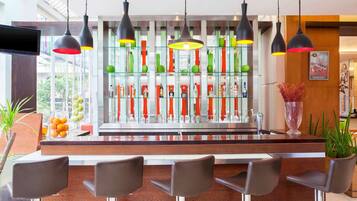
8.2 out of 10, Very good, (109 reviews)
"Room nice and clean, staff was great and nice, breakfast was good and delicious and has pool is a plus."

Endro
The price is ₹2,105
₹2,547 total
includes taxes & fees
7 Oct - 8 Oct
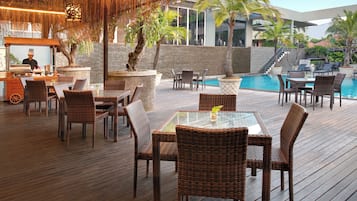


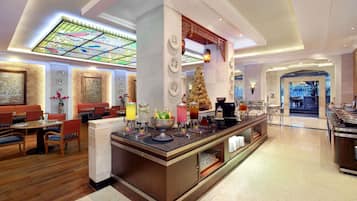
8.2 out of 10, Very good, (123 reviews)
"I like to staying in this place very nice people."
Supartiningsih
The price is ₹2,945
₹3,563 total
includes taxes & fees
23 Sept - 24 Sept
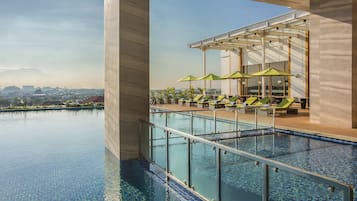


9.2 out of 10, Wonderful, (43 reviews)
"The hotel was very nice and the staff was very courteous and helpful. We truly enjoyed our stay and look forward to returning in the future."
STAN
The price is ₹3,653
₹4,487 total
includes taxes & fees
27 Sept - 28 Sept

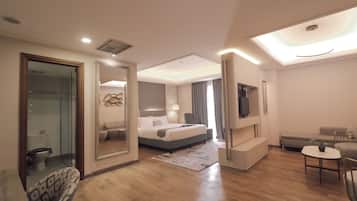
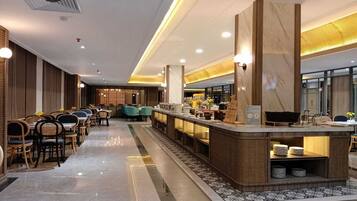
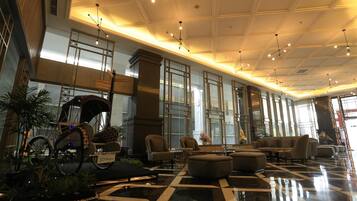
10.0 out of 10, Exceptional, (4 reviews)
"Good"

Ari Wijaya
The price is ₹2,683
₹3,270 total
includes taxes & fees
24 Sept - 25 Sept

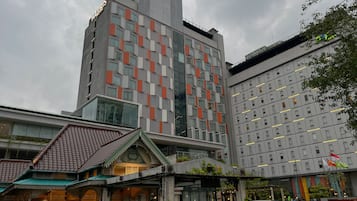


10.0 out of 10, Exceptional, (4 reviews)
"Helpful staff; comfortable rooms"

Martin
The price is ₹2,840
₹3,465 total
includes taxes & fees
5 Oct - 6 Oct
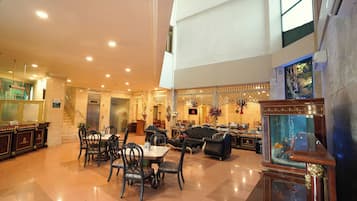

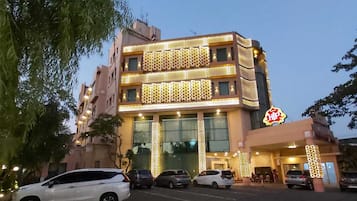

9.0 out of 10, Wonderful, (4 reviews)
"Great place to stay in surakarta."
Sam
The price is ₹1,599
₹1,976 total
includes taxes & fees
24 Sept - 25 Sept


9.0 out of 10, Wonderful, (11 reviews)
"Staff were courteous, breakfast options are plenty"
Alamsyah
The price is ₹3,890
₹4,778 total
includes taxes & fees
24 Sept - 25 Sept
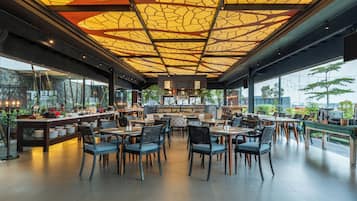
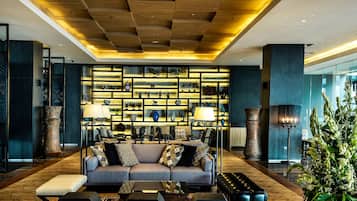
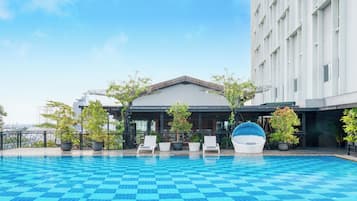


The price is ₹2,938
₹3,554 total
includes taxes & fees
25 Sept - 26 Sept
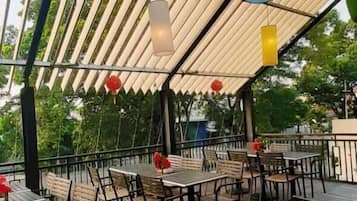
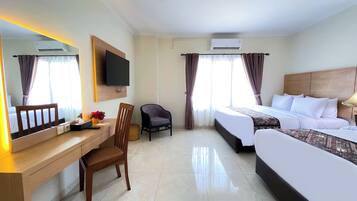

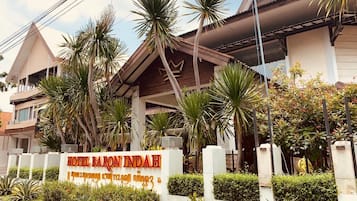
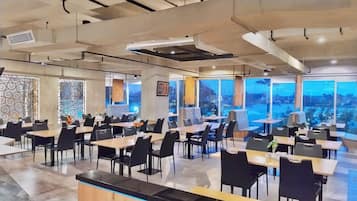


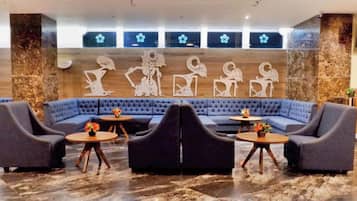

Lowest nightly price found within the past 24 hours based on a 1 night stay for 2 adults. Prices and availability subject to change. Additional terms may apply.
Top Solo City Centre Hotel Reviews
Frequently asked questions
Explore a world of travel with Expedia
- Hotels with Swimming Pool in Baki
- Baki Hotels
- Hostels in Boyolali
- Beach Resorts & in Klaten
- Romantic Hotels in Laweyan
- Adults Only Resorts & in Solo City Centre
- Luxury Hotels in Solo City Centre
- Scuba Diving Hotels in Solo City Centre
- Solo City Centre Hotels
- Holiday Parks in Surakarta
- Hostels in Surakarta
- Luxury Hotels in Surakarta
- Spa Hotels in Surakarta
- Surakarta Hotels
- Palaces in Surakarta
- Safari Tentalow in Surakarta
- Hotels near The Heritage Palace