Compare and book 4 Star hotels in Surakarta, Central Java
- Change your mindBook hotels with free cancellation
- Be pickySearch almost a million properties worldwide
Check availability on Surakarta 4 Star Hotels
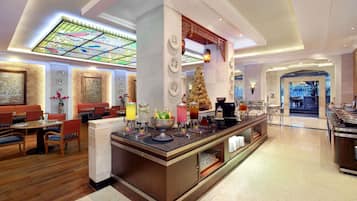
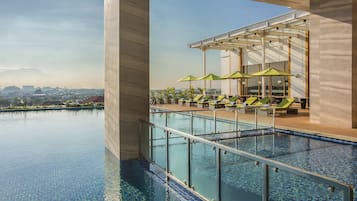
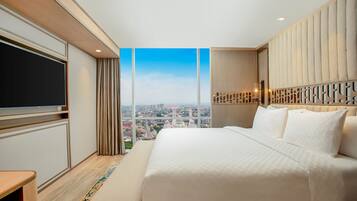
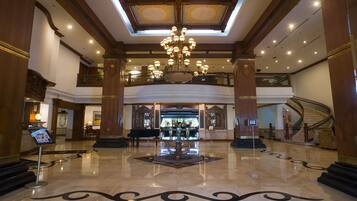
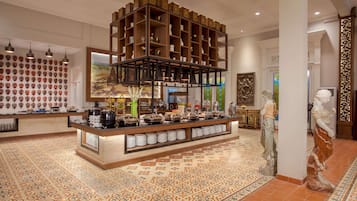
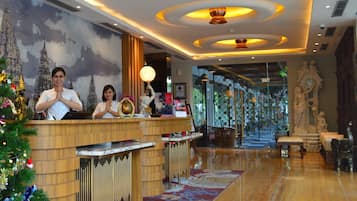
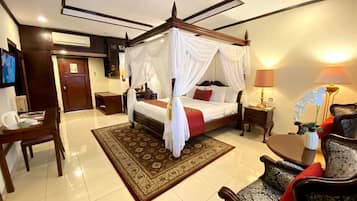
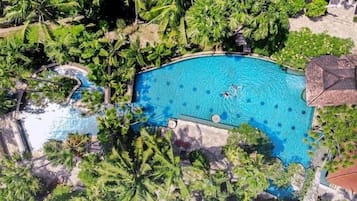
Our top choices for Surakarta 4-star hotels
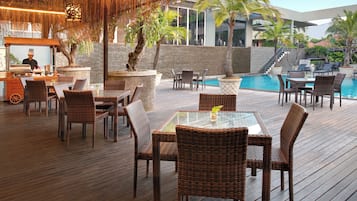
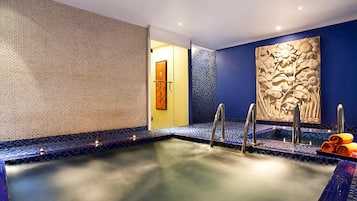
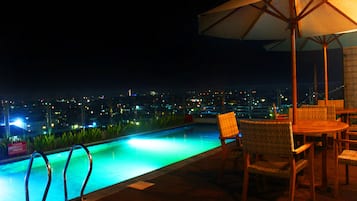
The Alana Hotel and Convention Center - Solo by Aston


Explore similar 5-star hotels

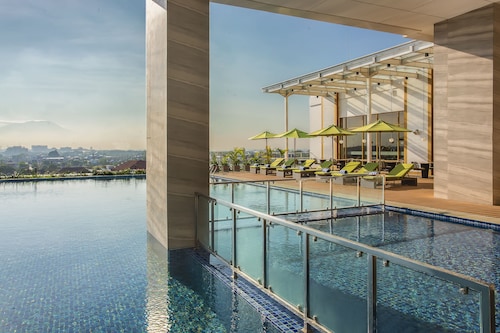
Alila Solo, Java
Surakarta and related destinations
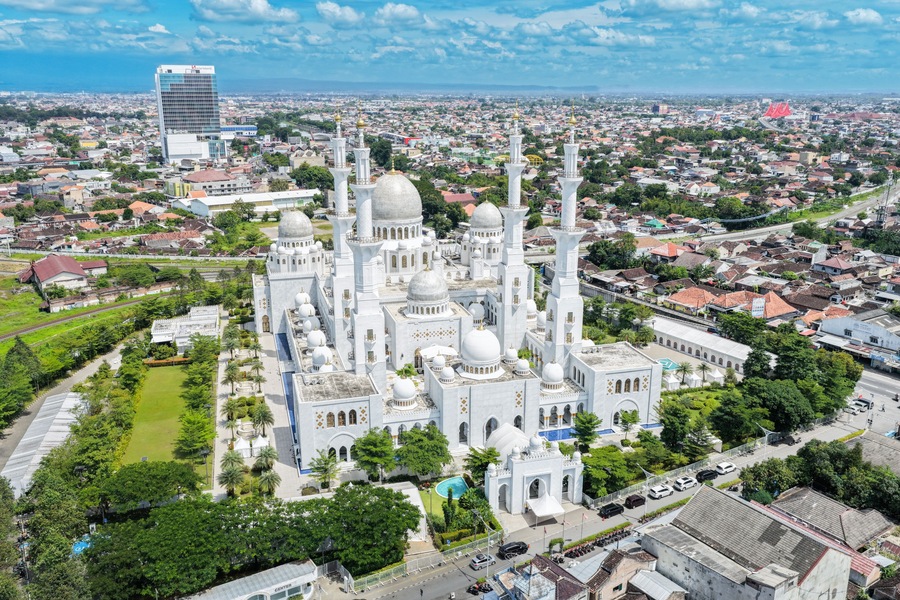
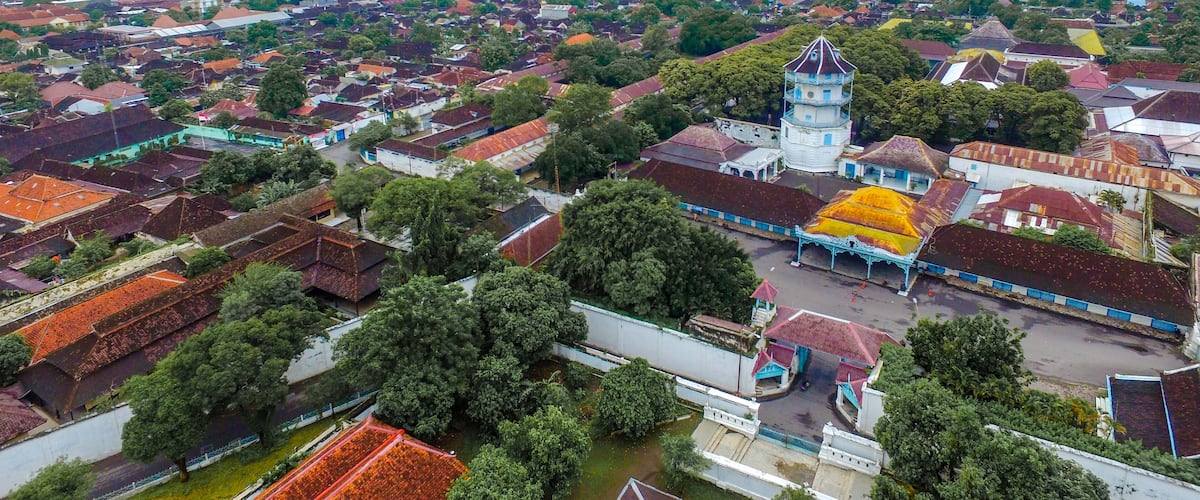
The royal Keraton Surakarta palace showcases Javanese heritage with traditional dance performances and ornate artefacts from the sultanate era. Explore Pasar Gede market for local batik textiles, then visit nearby Sangiran to see ancient human fossils in the UNESCO-listed museum.
![At the museum no photos are allowed which is really unfortunate as it was well worth the visit and the guided tour is definitely not to be missed. In the museum there are even Batik made from the Dutch era which depicts stories like Little Red Riding Hood and Snow White!
I enjoyed the tour v much and at the end of the tour we were brought to this room where the artisan were working on hand drawn batik.
Below is an excerpt from Wikipedia for anyone interested in learning more about the process of batik making.
Firstly, a cloth is washed, soaked and beaten with a large mallet. Patterns are drawn with pencil and later redrawn using hot wax, usually made from a mixture of paraffin or bees wax, sometimes mixed with plant resins, which functions as a dye-resist. The wax can be applied with a variety of tools. A pen-like instrument called a canting (IPA: [tʃantiŋ], sometimes spelled with old Dutch orthography tjanting) is the most common. A canting is made from a small copper reservoir with a spout on a wooden handle. The reservoir holds the resist which flows through the spout, creating dots and lines as it moves. For larger patterns, a stiff brush may be used. Alternatively, a copper block stamp called a cap (IPA: [tʃap]; old spelling tjap) is used to cover large areas more efficiently.
After the cloth is dry, the resist is removed by scraping or boiling the cloth. The areas treated with resist keep their original color; when the resist is removed the contrast between the dyed and undyed areas forms the pattern. This process is repeated as many times as the number of colors desired.
The most traditional type of batik, called batik tulis (written batik), is drawn using only the canting. The cloth need to be drawn on both sides and dipped in a dye bath three to four times. The whole process may take up to a year; it yields considerably finer patterns than stamped batik.
Source: Wikipedia](https://images.trvl-media.com/place/6224808/26fd1460-c65a-4c1a-9444-7a893e883ac9.jpg?impolicy=fcrop&w=300&h=400&p=1&q=high)
Top Surakarta Hotel Reviews

Swiss-Belhotel Solo

Novotel Solo
Find out more about Surakarta
Take Your Pick of 4 Star Hotels in Surakarta
The get-go of any holiday starts with choosing a great spot. Surakarta has been a popular destination with guests because it offers so much to do and see. But, "location, location, location" applies to more than just what city where your plane lands. Now that you have a feel for the town, it's time you to get to know your new digs.
Accommodations as Picturesque as Surakarta
Search Expedia.com.sg for the right 4 Star Surakarta Hotel to suit your fancy. Plenty of these people wrote tips to help you select the accommodation that is the right fit for your holiday.You'll be more than glad to get back to your resort every night. Surakarta has dozens of good options in the 4-star hotel range that create the ideal getaway.
A stay at one of these lodgings ensure that whether you are just relaxing after a day of checking out Surakarta or you are ready to lie down for the night, you'll be as comfortable as possible. You won't go without a thing during your stay at one of these accommodations. Visitors have consistently given them high marks for their attentive service. It's no surprise that loads of guests recommend it.
Reserve a 4-Star Hotel in Surakarta Today!
Your trip to Surakarta should be one that you'll reminisce over for years to come, and booking a 4-star hotel will help create memories that are incredible. Make sure to make a reservation soon. With so few hotels, and plenty of people desiring to vacation in Surakarta, you may miss out on your perfect hotel.
Explore a world of travel with Expedia
Hotels in Surakarta by Star Rating
Areas of Surakarta
Accommodation near Surakarta attractions
More accommodation types in Surakarta
Explore more hotels
- Swiss-Belinn Saripetojo Solo
- Diamond Hotel Solo
- Red Chilies Hotel
- Front One Budget Hotel Slamet Riyadi Solo
- Comfort Centre Residence Solo
- Collection O Solo near Universitas Muhammadiyah Surakarta formerly Kedaton Home
- ZG Homestay Solo
- favehotel Manahan - Solo
- Aston Solo
- Nata Azana Hotel Solo
- GRAND ORCHID HOTEL SOLO
- HARRIS Hotel & Conventions Solo
- Hotel Asia
- Zest Parang Raja Solo by Swiss-Belhotel International
- Loji Hotel Solo by Wstay
- Arini Hotel
- Hotel O Gurita
![At the museum no photos are allowed which is really unfortunate as it was well worth the visit and the guided tour is definitely not to be missed. In the museum there are even Batik made from the Dutch era which depicts stories like Little Red Riding Hood and Snow White!
I enjoyed the tour v much and at the end of the tour we were brought to this room where the artisan were working on hand drawn batik.
Below is an excerpt from Wikipedia for anyone interested in learning more about the process of batik making.
Firstly, a cloth is washed, soaked and beaten with a large mallet. Patterns are drawn with pencil and later redrawn using hot wax, usually made from a mixture of paraffin or bees wax, sometimes mixed with plant resins, which functions as a dye-resist. The wax can be applied with a variety of tools. A pen-like instrument called a canting (IPA: [tʃantiŋ], sometimes spelled with old Dutch orthography tjanting) is the most common. A canting is made from a small copper reservoir with a spout on a wooden handle. The reservoir holds the resist which flows through the spout, creating dots and lines as it moves. For larger patterns, a stiff brush may be used. Alternatively, a copper block stamp called a cap (IPA: [tʃap]; old spelling tjap) is used to cover large areas more efficiently.
After the cloth is dry, the resist is removed by scraping or boiling the cloth. The areas treated with resist keep their original color; when the resist is removed the contrast between the dyed and undyed areas forms the pattern. This process is repeated as many times as the number of colors desired.
The most traditional type of batik, called batik tulis (written batik), is drawn using only the canting. The cloth need to be drawn on both sides and dipped in a dye bath three to four times. The whole process may take up to a year; it yields considerably finer patterns than stamped batik.
Source: Wikipedia](https://images.trvl-media.com/place/6224808/26fd1460-c65a-4c1a-9444-7a893e883ac9.jpg?impolicy=fcrop&w=1200&h=500&q=medium)