
Photo by Matilde Civitillo
Search Gay-Friendly Hotels in Fier
- Change your mindBook hotels with free cancellation
- Be pickySearch almost a million properties worldwide
Check availability on Fier Gay-Friendly Hotels
Our top choices for Fier LGBT-friendly hotels
Lowest nightly price found within the past 24 hours based on a 1 night stay for 2 adults. Prices and availability subject to change. Additional terms may apply.
Top Fier Hotel Reviews
Explore a world of travel with Expedia
Hotels in Fier by Star Rating
Explore more hotels
Expedia's Latest Trends
Hotels
- Hotel Ziggy on Sunset
- 3 Star Hotels in Berhampore
- Hotels near Kinari Bazar
- B&B Saxi-Bourdon
- Luxury Hotels in Dhikuli
- Hotels in Motihari
- The Hub Murray Hill, BW Premier Collection
- The Goat Village Escape
- Shangri-La Bosphorus, Istanbul
- Ilayda Avantgarde Hotel
- Beach Resorts & Hotels in Thanjavur
- Hotels in Jam Jodhpur
- Coral Reef Resort & Spa, Havelock
- Hotels near Tirupati
- Hunder Sarai
- Spa Hotels in Bathinda
- OYORooms Hotels in Mananthavady
Flights
- Flights from Guwahati (GAU) to Bhopal (BHO)
- Flights from Dallas (DFW) to Minneapolis - St. Paul (MSP)
- Flights from Mumbai (BOM) to Liberia (LIR)
- Flights to Mandsaur
- Flights from Mumbai (BOM) to Paso de Carrasco (MVD)
- Flights from Shenzhen (SZX) to Haidong (XNN)
- Flights from Hubli
- Flights from Delhi (DEL) to Mohali (IXC)
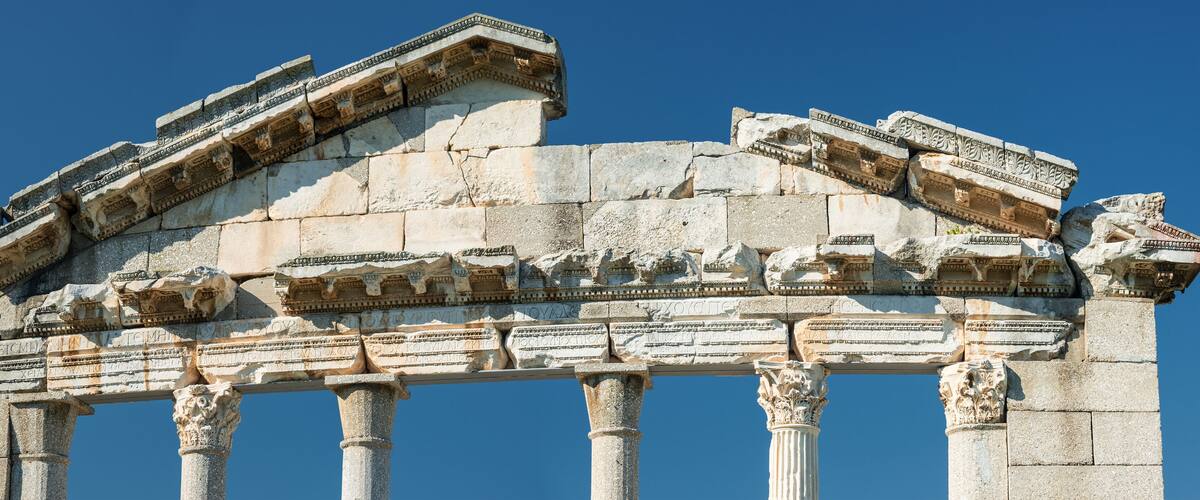
![Apollonia (Ancient Greek: Ἀπολλωνία κατ᾿ Ἐπίδαμνον or Ἀπολλωνία πρὸς Ἐπίδαμνον, Apollonia kat' Epidamnon or Apollonia pros Epidamnon) was an ancient Greek city in Illyria,[1] located on the right bank of the Aous river (modern-day Vjosë). Its ruins are situated in the Fier region, near the village of Pojani, in modern-day Albania. Apollonia was founded in 588 BCE by Greek colonists from Corfu and Corinth,[2] on a site initially occupied by Illyrian tribes[3] and was perhaps the most important of the several classical towns known as Apollonia. Apollonia flourished in the Roman period and was home to a renowned school of philosophy, but began to decline in the 3rd century AD when its harbor started silting up as a result of an earthquake. It was abandoned by the end of Late Antiquity.
Source: Wikipedia](https://images.trvl-media.com/place/750069426109956096/8d3f7973-38c6-4717-b6df-7b75d783f82c.jpg?impolicy=fcrop&w=1200&h=500&q=medium)


