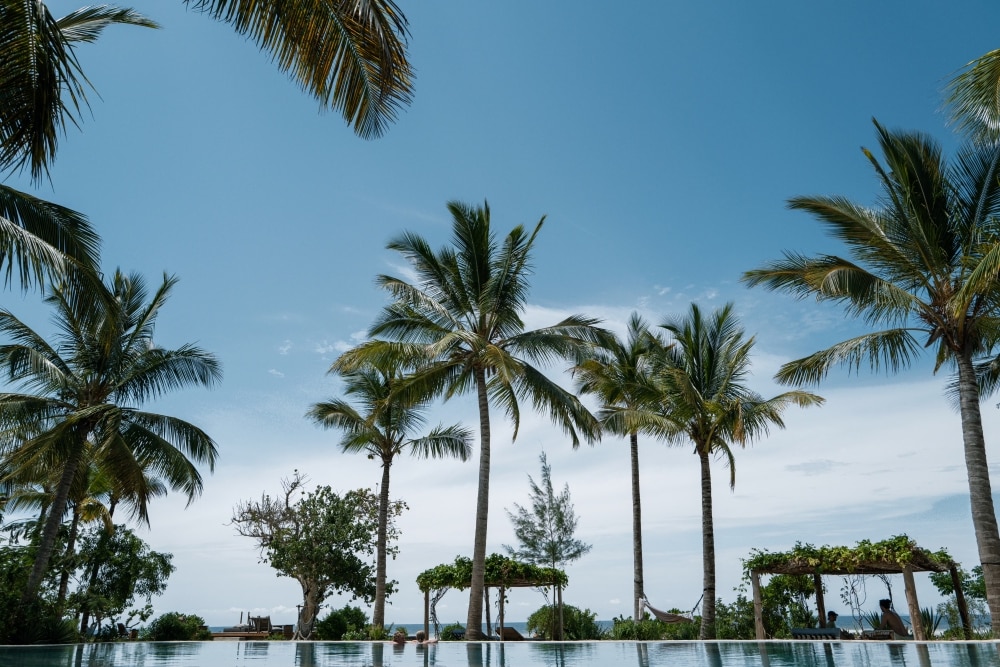
Danurejan Travel Guide
Tourist Guide


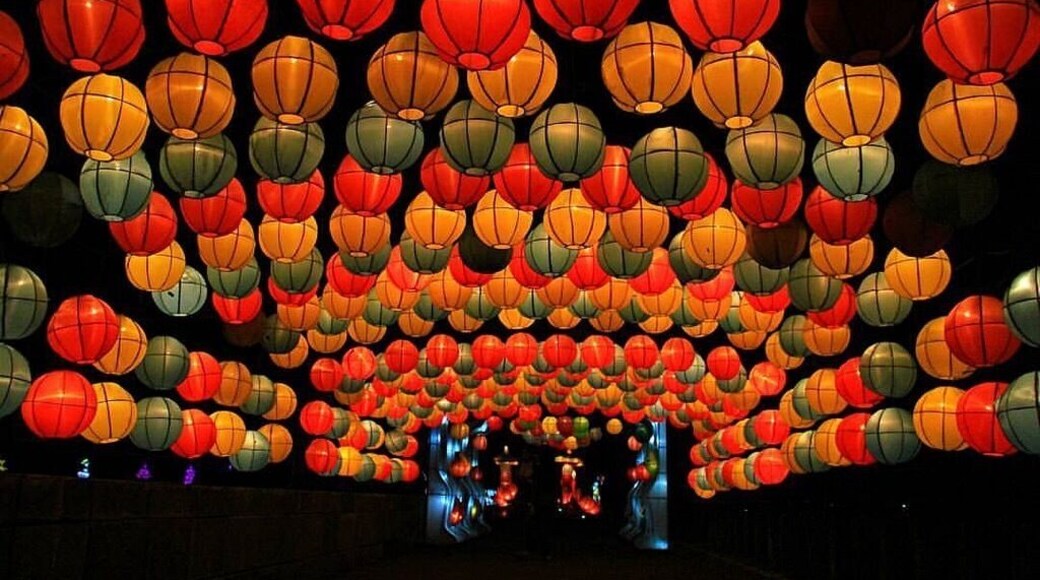
Visit Danurejan

Melia Purosani Yogyakarta
Jl. Suryotomo No. 31 Yogyakarta Yogyakarta
The price is ₹5,875 per night from 2 Nov to 3 Nov
₹5,875
₹7,109 total
2 Nov - 3 Nov
includes taxes & fees
Stay at this luxury hotel in Yogyakarta. Enjoy free Wi-Fi, free parking and a full-service spa. Our guests praise the helpful staff and the property condition ...

Hotel O Nayo Homestay Syariah
12, Maguwoharjo, Depok, Sleman Yogyakarta Yogyakarta
The price is ₹653 per night from 26 Oct to 27 Oct
₹653
₹840 total
26 Oct - 27 Oct
includes taxes & fees
Stay at this hotel in Yogyakarta. Enjoy free Wi-Fi, free valet parking and a fireplace in reception. Popular attractions Malioboro Street and Malioboro Mall ...
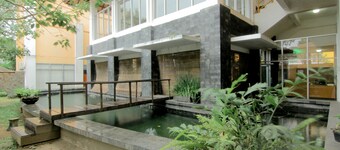
University Hotel Yogyakarta
Jl. Adi Sucipto KM 10, Jl. Anggrek Yogyakarta Special Region of Yogyakarta
The price is ₹1,403 per night from 30 Oct to 31 Oct
₹1,403
₹1,557 total
30 Oct - 31 Oct
includes taxes & fees
Stay at this business-friendly hotel in Yogyakarta. Enjoy free Wi-Fi, free parking and breakfast (surcharge). Popular attractions Malioboro Street and Malioboro ...
Lowest nightly price found within the past 24 hours based on a 1 night stay for 2 adults. Prices and availability subject to change. Additional terms may apply.

Homestay Jogja dekat Malioboro by Simply Homy
Jl. Tegal Panggung No. 32, Malioboro Yogyakarta Yogyakarta
Stay at this villa in Yogyakarta. Enjoy free Wi-Fi, free parking and a 24-hour front desk. Popular attractions Malioboro Street and Malioboro Mall are located ...

Oakwood Yogyakarta
Jl. A.M. Sangaji No.36, Yogyakarta
Stay at this luxury aparthotel in Yogyakarta. Enjoy free parking, breakfast (surcharge) and 24-hour room service. Popular attractions Malioboro Street and Tugu ...

Marra Hotel
Jl. Seturan Raya No.1 Depok Yogyakarta
Stay at this business-friendly aparthotel in Depok. Enjoy free Wi-Fi, free parking and a rooftop terrace. Popular attractions Malioboro Street and Depok Sports ...
7.8/10 Good! (25 reviews)
"Room ok for size, clean, very noisy area, pool access limited to two broken ladders so no exiting pool if you are old, also pool area very slippery if wet"
Reviewed on 7 Nov 2022
Lowest nightly price found within the past 24 hours based on a 1 night stay for 2 adults. Prices and availability subject to change. Additional terms may apply.
Stay near popular Danurejan attractions


- Borobudur Temple
- Prambanan Temple
- Malioboro Mall
- Gembira Loka Zoo
- Jogja City Mall
- Taman Sari
- Plaza Ambarrukmo
- Parangtritis Beach
- Gadjah Mada University
- Mendut Buddhist Monastery
- Fort Vredeburg Museum
- Pasar Ngasem
- Lippo Plaza Jogja
- Mendut Temple
- Sunan Kalijaga State Islamic University Yogyakarta
- Pakualaman Palace