Ayacucho Region Travel Guide
Peru


Popular cities in Ayacucho Region
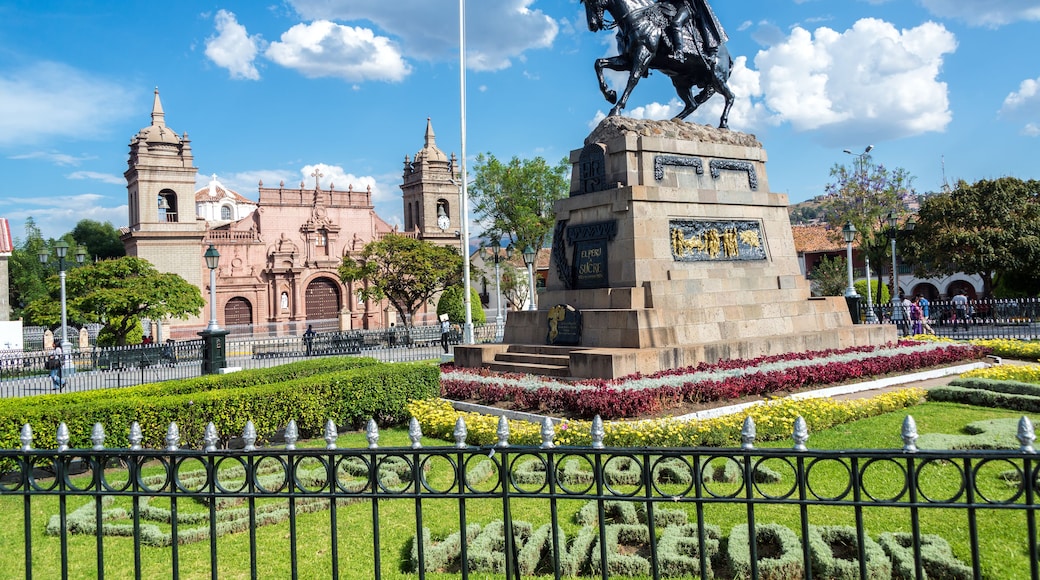
Ayacucho
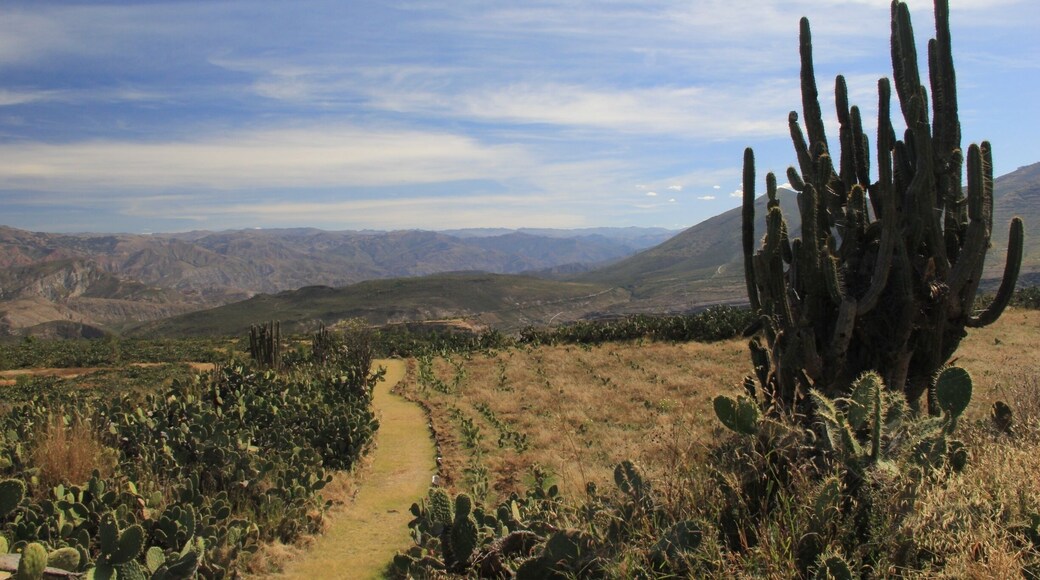
Known for Walking, Rivers and Mountains
Love rivers, mountain views and museums? Get away to Ayacucho!
Reasons to visit
- Ayacucho Plaza de Armas
San Francisco de Ravacayco
During your stay in San Francisco de Ravacayco, you can discover things to see and do in the local area.
Andrés Avelino Cáceres Dorregaray
Venture to Ayacucho Plaza de Armas and Centro Turístico Cultural San Cristóbal—just two of the sights around Andrés Avelino Cáceres Dorregaray.
Puquio
Enjoy access to sights and activities in the surrounding area during your stay in Puquio.
Coracora
Enjoy access to sights and activities in the surrounding area during your stay in Coracora.
Santiago de Paucaray
Venture to Thermal Baths Larcay and Plaza de Armas de Pampachiri—just two of the sights around Santiago de Paucaray.
Stay near popular Ayacucho Region attractions
Explore a world of travel with Expedia
- Anchihuay Hotels
- Anco Hotels
- Andrés Avelino Cáceres Dorregaray Hotels
- Aucara Hotels
- Ayahuanco Hotels
- Ayna Hotels
- Cabana Hotels
- Canayre Hotels
- Cangallo Hotels
- Carapo Hotels
- Carhuanca Hotels
- Carmen Alto Hotels
- Colca Hotels
- Concepción Hotels
- Coracora Hotels
- Corculla Hotels
- Huamanguilla Hotels
- Huamanquiquia Hotels
- Huancapi Hotels
- Independencia Hotels
- Lampa Hotels
- Llauta Hotels
- Luis Carranza Hotels
- Morcolla Hotels
- Ocros Hotels
- Otoca Hotels
- Oyolo Hotels
- Pararca Hotels
- Pausa Hotels
- Pucacolpa Hotels
- Puquio Hotels
- Quinua Hotels
- San Cristóbal Hotels
- San José de Ticllas Hotels
- San Pedro de Larcay Hotels
- San Pedro de Palco Hotels
- Sancos Hotels
- Santa Ana de Huaycahuacho Hotels
- Santiago de Lucanamarca Hotels
- Santiago de Paucaray Hotels
- Sara Sara Hotels
- Saurama Hotels
- Sivia Hotels
- Soras Hotels
- Tambo Hotels
- Uchuraccay Hotels
- Vinchos Hotels